Palmer Luckey warns that AI-powered cyber attacks outpace outdated defenses
Founder of Anduril says in a forum that technological lag leaves systems vulnerable to new offensive capabilities driven by artificial intelligence.
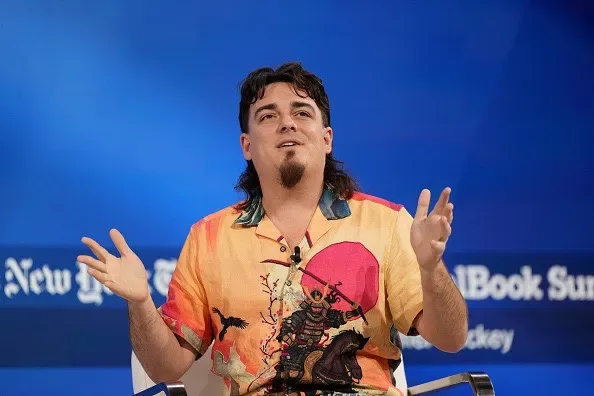
Palmer Luckey, co-founder of Anduril Industries and creator of Oculus, warned during the New York Times DealBook Summit that cyberattacks powered by artificial intelligence are advancing faster than defenses based on obsolete technologies can adapt. The statement came amid a recent series of technical disruptions in the technology sector, raising concerns about the resilience of digital infrastructure.
In his remarks, Luckey argued that the use of advanced AI tools is enabling the creation of exploits at unprecedented speed. He highlighted that there is a critical mismatch between modern offensive capabilities and the defensive capacity of organizations still relying on legacy systems, unable to adopt new security technologies at the same pace as threats evolve.
Mismatch between Attack and Defense
While government authorities attributed the recent technical problems mainly to the accelerated effort of companies to apply patches against new vulnerabilities discovered by AI, Luckey focused on the structural root of the problem: technological obsolescence. According to him, adversaries of the United States are actively exploiting this gap, motivated by strategic and financial objectives. The executive specifically mentioned North Korea's involvement in these activities, though he did not detail the specific mechanisms used.
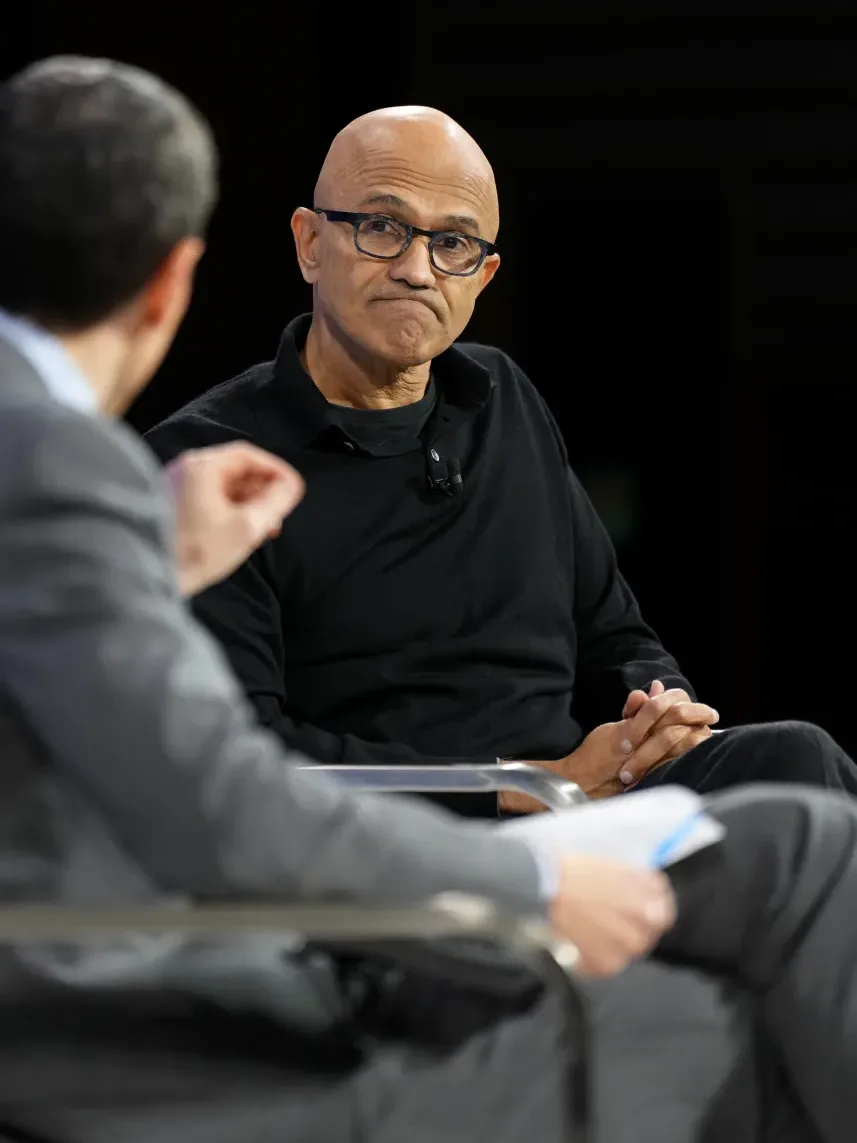
Andrew Ross Sorkin, the event's interviewer, contextualized the gravity of the situation by noting that U.S. Vice President J.D. Vance canceled his participation in the forum to attend crisis meetings related to recent technical failures. When asked about the level of concern the public should have, Luckey replied that it depends on each organization's level of preparedness, adding a warning about the imminence of new events.
AI as a Future Balancing Factor
Despite the alarmist scenario, Luckey argued that artificial intelligence can ultimately give defenders an advantage, provided adoption is rapid and effective. He acknowledged that, at present, the claim that "everything can be hacked" holds validity due to emerging new techniques, but emphasized that the competitive advantage will shift to the side that uses AI more efficiently for defensive purposes.
The central message from Anduril's co-founder is the urgent need to accelerate the pace of modernizing cyber defenses. For him, passivity in the face of the evolution of AI offensive tools is no longer a viable option for national and corporate security.
CyberX Technical Analysis
Luckey's statement reflects a trend observed in the industry: the reduction of discovery and exploitation time for vulnerabilities by AI agents. The main technical implication is the compression of the exposure window. Legacy systems, which often have long update cycles and rely on manual patches, become priority targets when automated offensive capability outpaces reactive defensive capability.
Mechanism and Conditions
The "mismatch" mentioned does not refer only to the speed of writing malicious code, but to AI's ability to identify undocumented attack surfaces, generate polymorphic payloads, and adapt tactics in real time. Organizations with hybrid or legacy infrastructure face higher risk because defensive automation (such as SOAR) may not be integrated with those old systems.
Impact and Limitations
It is important to distinguish between theoretical exploitation capability and confirmed active exploitation. The mention of North Korea is a political/strategic attribution made by the speaker; without publicly available technical evidence (IoCs, specific threat intelligence reports) associated with that statement, it is an attributed claim, not an independently verified technical fact in this article. The central defensive recommendation is to accelerate the patching cycle and implement proactive AI-based defenses to reduce the attack surface exposed to automated offensive tools.
CyberX SOC Intelligence Bulletin
The described threat involves the use of AI tools to accelerate the exploit lifecycle, pressuring rule-based or manual process defenses. The operational consequence is the need to monitor anomalies in legacy systems that may not generate rich telemetry, in addition to prioritizing vulnerability remediation on critical assets exposed to the internet.
Assets and Exposure Conditions
Focus on legacy systems (SCADA, mainframes, old servers) that have external exposure or connectivity with modern networks. Verify that these systems are isolated by robust DMZs and that there are anomaly traffic detection mechanisms specific to those protocols.
Investigation Signs
Look for mass exploitation attempts (scanning) against non-standard ports or legacy services. Monitor unauthorized changes to critical system configurations. Pay attention to unusual outbound traffic from systems that normally do not communicate with the internet, which may indicate exfiltration or command and control.
Remediation and Mitigation
Accelerate the vulnerability management process for critical assets. Implement network segmentation to limit lateral movement. Consider virtualization or emulation of legacy systems to reduce the real attack surface. No verifiable indicators of compromise (IoCs) were identified in the sources consulted for this specific event, as the news deals with a strategic warning and not a detailed technical incident with public artifacts.
Frequently Asked Questions
What did Palmer Luckey warn about at the DealBook Summit?
He warned that AI-powered cyber attacks are advancing faster than defenses based on outdated technologies.
Why are legacy systems particularly vulnerable to AI-driven attacks?
They have long update cycles, rely on manual patches, and lack integrated defensive automation, making them priority targets when AI accelerates exploit creation.
Can AI also benefit defenders according to Luckey?
Yes, Luckey said AI can give defenders an advantage if it is adopted rapidly and effectively.
Which adversaries did Luckey mention as exploiting the technology gap?
He said adversaries of the United States are actively exploiting the gap for strategic and financial objectives.