Nimble launches Trace collection of integrated trackers in sustainable accessories
The startup Nimble introduces the Trace line, which incorporates Bluetooth tracking technology into wallets, keychains, and luggage tags, compatible with Apple Find My and Google Find Hub.
Nimble, the sustainable accessories brand known for chargers, enters the item-tracking market with the Trace collection, combining Bluetooth technology with everyday objects.
Lead: On November 19, 2026, the California-based company announced the Trace lineup, consisting of seven products—from luggage tags to passport covers—that work on Apple Find My and Google Find Hub networks, priced between $14.95 and $49.95.
Tracking market context
The Bluetooth tracker segment has intensified since the popularization of Apple's AirTag. Recently, Google launched the Pixel Tag, while players like Chipolo and Pebblebee expand their catalogs. Nimble seeks to differentiate itself by integrating the tracker directly into the accessory, rather than offering a separate device.
The Trace collection
The lineup includes:
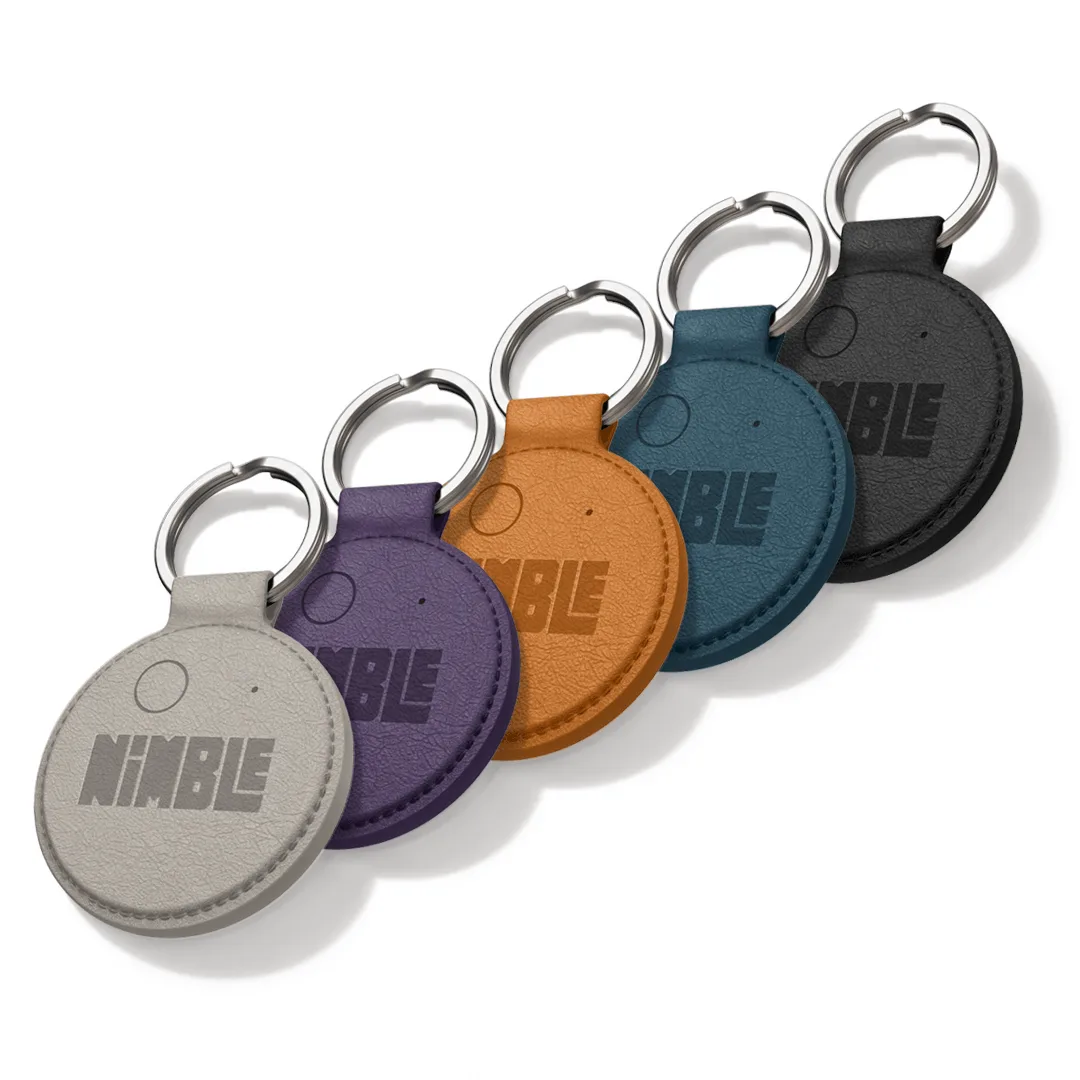
- Trace Tag – coin-sized tracker with a replaceable coin cell battery ($14.95);
- Trace Keyfob – key fob with rechargeable battery ($19.95);
- Trace Slim Wallet Card – slim wallet card ($29.95);
- Trace Keychain – traditional keychain ($29.95);
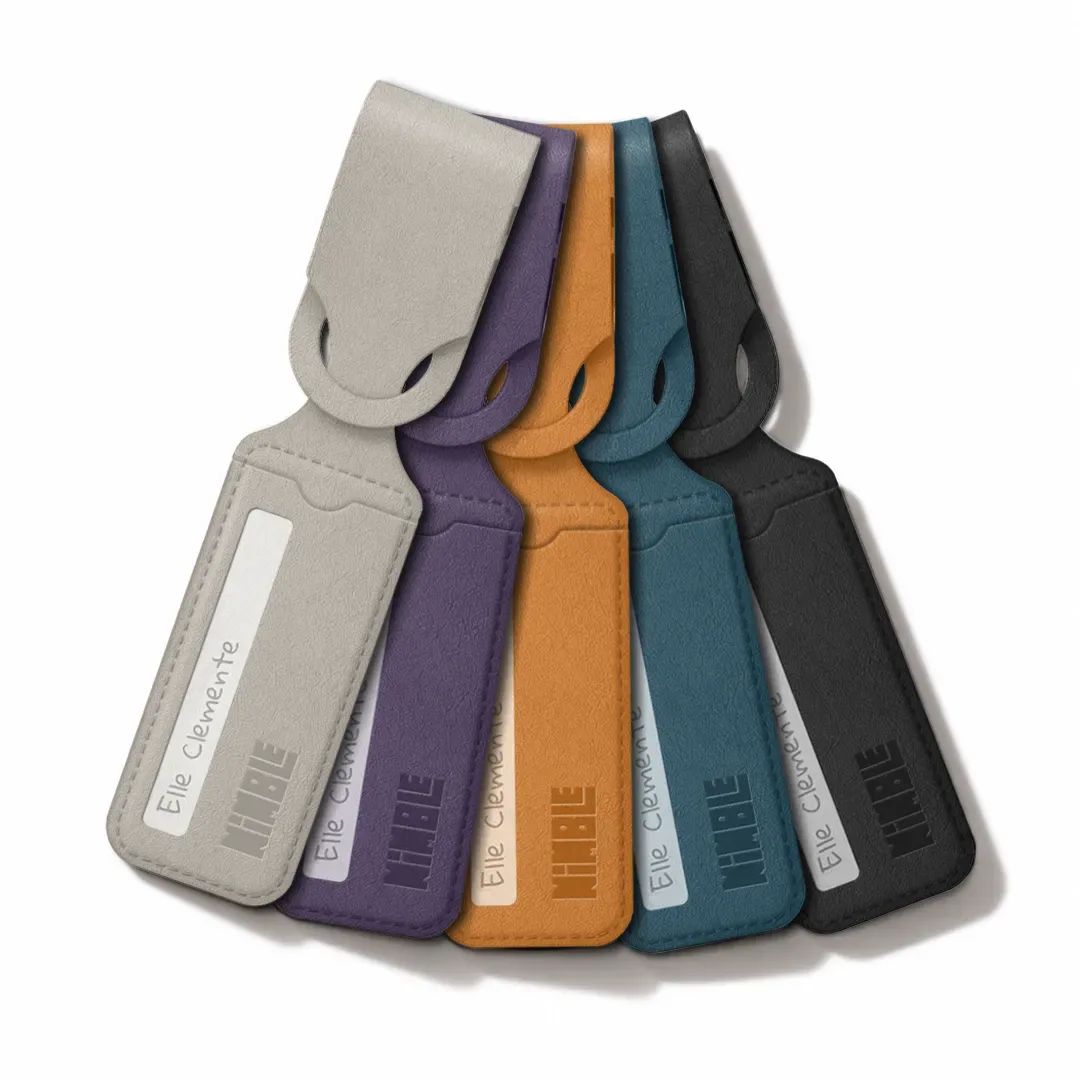
- Trace Luggage Tag – luggage tag ($39.95);
- Trace Wallet – wallet with tracker ($39.95);
- Trace Folio – rechargeable passport cover ($49.95).
All items are compatible with the two major location networks, allowing iOS and Android users to track their objects in real time.
Sustainability and materials
According to co-founder and CEO Ross Howe, Nimble used recycled plastics and aloe-based vegan leather to reduce environmental impact. The products underwent third-party testing to identify chemicals of concern, although the company acknowledges it has not yet achieved 100% compliance.
Pricing and availability
The collection is available on Nimble's official website and Amazon in five colors—black, stone, tangerine, plum, and teal. Prices range from $14.95 to $49.95, positioning them as more affordable options than competitors such as Spotminder ($59.00) and Knog Scout.
Privacy and security implications
By integrating the tracker into the accessory, Nimble eliminates the need for an additional device, but also creates new exposure vectors. Each item contains a Bluetooth Low Energy (BLE) module that broadcasts unique identifiers. Without end-to-end encryption or key rotation, third parties could potentially track the presence of objects in public areas. The company has not disclosed details regarding security or authentication protocols, which warrants user caution.
Additionally, recharging via USB-C or wireless charging increases convenience, but also introduces the need to ensure firmwares are updated to patch known vulnerabilities in BLE stacks.
In summary, Nimble brings an innovative proposal to the market that combines sustainability and convenience, while raising typical privacy questions that accompany any Bluetooth tracking solution.
CyberX Technical Analysis
The Trace collection utilizes 2.4 GHz Bluetooth Low Energy (BLE) modules, similar to those employed by AirTag and Pixel Tag. These modules typically operate with a device identifier (UID) that can be read by nearby smartphones. Compatibility with Apple Find My indicates that Nimble likely implemented the public-key encryption protocol used by the Find My network, which protects the tracker's identity against unauthorized tracking. However, compatibility with Google Find Hub suggests support for a different scheme, possibly based on device-generated rotating keys.
Replaceable battery models (Trace Tag) offer a battery life of "months," while rechargeable ones (Trace Keyfob, Trace Folio) promise around six months per full charge. The presence of USB-C or wireless charging implies the inclusion of power management controllers that could be targets of exploitation if not rigorously verified.
From an attack surface perspective, the main vectors are:
- Interception of unauthenticated BLE advertisements, which could reveal the presence of a trackable object;
- Possible UID spoofing if the key rotation protocol is not robust;
- Firmware updates via USB-C connection, requiring digital signatures to prevent malicious firmware.
Defensive recommendations:
- Verify whether device firmware is digitally signed and, if possible, apply updates provided by Nimble;
- Disable BLE discovery mode when the tracker is not in use (some devices allow a "silent mode");
- Monitor BLE traffic in corporate environments using radio frequency sensors to identify unauthorized devices;
- Enforce Mobile Device Management (MDM) policies that restrict pairing trackers to corporate accounts.
In terms of privacy mitigation, users should review location-sharing settings in the Find My and Find Hub apps, limiting access to trusted devices only.
CyberX SOC Intelligence Bulletin
The introduction of BLE trackers integrated into everyday accessories expands the surface of exposure to unwanted location tracking threats. Although Nimble has not disclosed encryption details, coexistence with two distinct networks (Apple Find My and Google Find Hub) indicates that devices can be identified across multiple platforms, facilitating data collection by malicious actors monitoring BLE traffic.
Verifiable Indicators of Compromise (IoCs): to date, no firmware samples or network traffic containing specific hashes or signatures have been published by intelligence sources. Therefore, there are no confirmed IoCs.
Investigation leads: monitoring BLE advertisements with unregistered identifiers in public databases may indicate the presence of Trace devices in sensitive environments.
Operational recommendations:
- Include detection rules for BLE advertisements from unknown manufacturers in network security sensors (e.g., Sigma rule for BLE advertising packets with Nimble OUI, if identifiable);
- Advise corporate users to disable BLE tracking on mobile devices when not needed, especially in high-security areas;
- Audit personal devices connected to the workplace environment to ensure trackers are not exposing location information;
- Maintain BLE event logs in SIEM solutions for correlation with physical access incidents.
No active compromise indicators were identified in the consulted sources. The main concern remains the potential passive collection of location data by third parties.
Frequently Asked Questions
What is Nimble’s Trace collection?
It’s a line of sustainable accessories—wallets, keychains, luggage tags—that embed Bluetooth Low Energy trackers compatible with Apple Find My and Google Find Hub.
How much does the Trace collection cost?
Prices range from $14.95 to $49.95, depending on the product.
Are the Trace trackers environmentally friendly?
Yes, they use recycled plastics and aloe‑based vegan leather, and have undergone third‑party testing for chemicals of concern.
Do the Trace trackers have end‑to‑end encryption?
The company has not disclosed encryption details and acknowledges the lack of end‑to‑end encryption or key rotation, raising privacy concerns.
Where can I buy the Trace collection?
The products are available on Nimble’s official website and on Amazon in five colors.