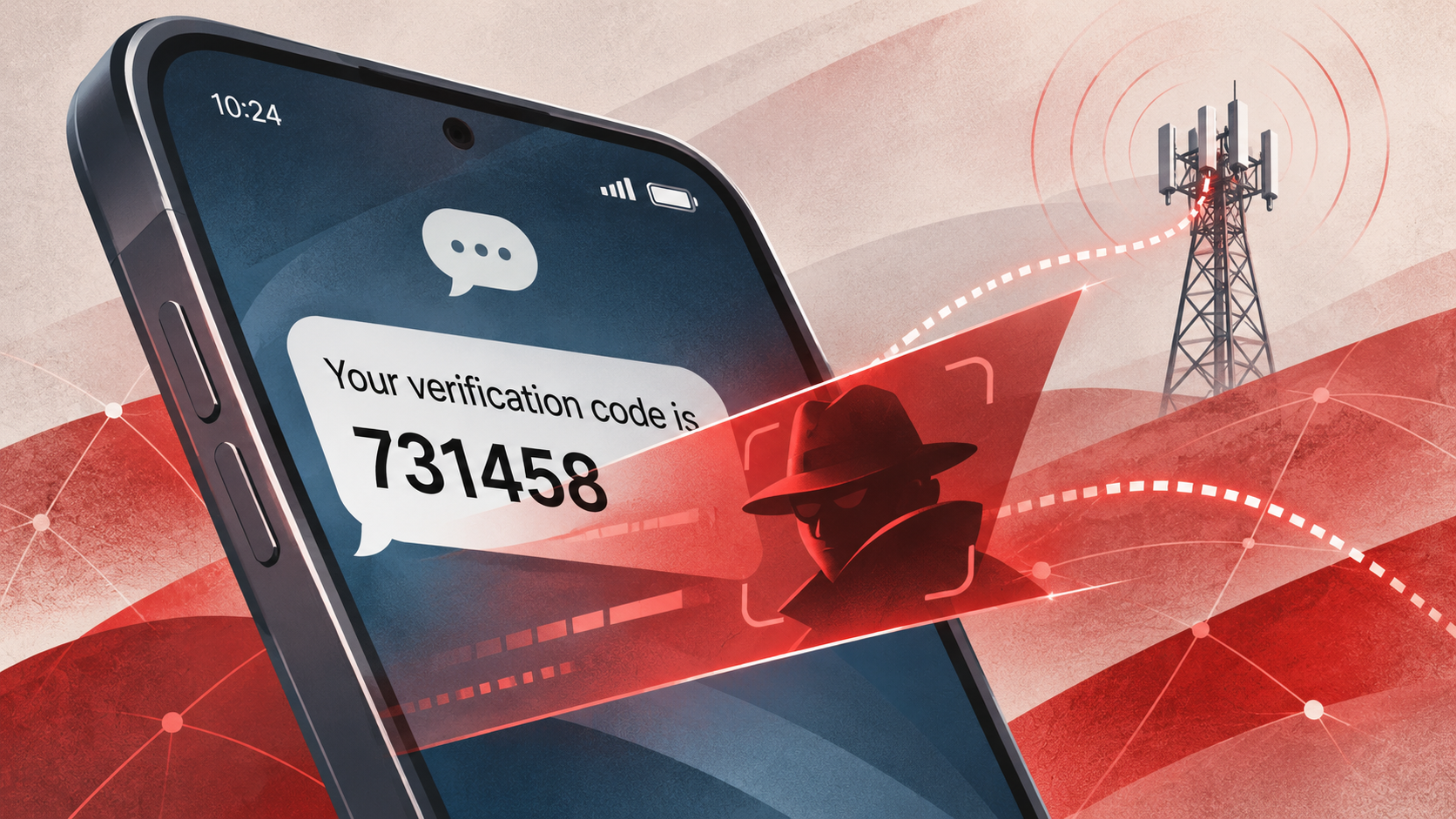
State-sponsored group SilentAir hijacks telecom networks in Asia to intercept SMS and calls
An investigation by Enea uncovered the SilentAir group, identified as a state actor that compromised carrier equipment in at least six Asian countries.
A new threat targeting telecommunications infrastructure
Researchers from the telecommunications software and security company Enea have released details about a newly identified cyber-espionage group dubbed SilentAir. The group's activity consists of compromising internal infrastructure equipment of mobile network operators in at least six Asian countries, with a primary focus on subscribers and political figures in Taiwan.
According to technical reports published in November 2026, Enea assesses with high confidence that SilentAir operates as a state-sponsored actor. However, attribution to a specific country is handled with caution: the company points with low confidence that the operations align with interests associated with China, based on activity time patterns and the absence of targets in Chinese territory.
Monitoring of the group's activities has been ongoing since early 2025, although subsequent analyses have identified signs of suspicious movements in earlier periods. The affected operators have been notified of the compromise points, and the group's initial operations have been disrupted, though experts warn of the possibility of a return of actions.
Attack mechanism via signaling protocols
Mobile phone networks rely on SS7 (Signaling System 7) and Diameter protocols to exchange signaling messages that enable call routing, text message delivery, and international roaming support. These communications transit through a shared network known as IPX (IP Packet eXchange), structured upon a high level of mutual trust among participating operators.
SilentAir exploited this architecture by injecting attack commands directly into the IPX interface from compromised equipment within the operators themselves. To carry out call and message interception, the group sent an UpdateLocation message (or its Diameter protocol equivalent) to the target's home network. This fake message claimed that the equipment controlled by the attackers had begun serving the subscriber in question. When accepted by the network, the flow of calls and SMS was diverted to the attackers' control.
Interception of authentication codes and silent messages
Although the majority of the group's activity involved other functions, data indicates that approximately 18.3% of the observed actions were directed at the direct interception of communications. In specific cases, researchers recorded the capture of two-factor authentication (2FA) codes shortly after the diversion was completed, suggesting attempts to compromise accounts associated with the victims.
In addition to regular traffic diversion, SilentAir made extensive use of the silent SMS feature—messages sent to mobile devices without generating alerts or displaying notifications on the user's screen. While during the day such messages operated mostly as tests to verify whether traffic diversion remained active, nighttime sending focused heavily on users located in Taiwan, disguised with generic promotional content text to avoid suspicion from intermediary security systems.
Investigations also pointed to partial operational similarities with other known threats, such as the Liminal Panda group and the Linux-oriented command-line tool known as SCTPE or SIGweaver. However, analysts emphasize that SilentAir demonstrated greater operational discipline and responsiveness to messages not sent by itself, distancing itself from previous behaviors attributed to commercial cybercrime surveillance campaigns.
Defensive recommendations for telecom operators
Given the tactics demonstrated by the SilentAir group, experts and security companies reinforce the need for a deep review of signaling infrastructure defenses. Among the main operational guidelines recommended for the sector are:
Deployment of specific firewalls for GTP-C and GTP-U protocols, configured for direct integration with SS7 and Diameter defenses.
Treating the IPX network as an untrusted environment, requiring rigorous validation of external traffic.
Adoption of advanced anomaly detection mechanisms in signaling protocols within corporate networks themselves.
Centralization and correlation of signaling security events with the organization's traditional security operations centers (SOC).
For organizations and end-users utilizing telecommunication services in high-risk regions, the adoption of authentication methods resistant to SMS interceptions—such as physical security keys or local token-based authenticator apps—remains an essential layer of protection against credential theft.
Frequently asked questions
What is SilentAir?
SilentAir is a newly identified cyber-espionage group, assessed as a state-sponsored actor, that compromised internal infrastructure equipment of mobile network operators in at least six Asian countries.
How did SilentAir perform interceptions?
The group exploited mobile network architecture by injecting attack commands directly into the IPX interface from compromised equipment, sending fake messages like UpdateLocation to divert calls and messages.
What protocols were exploited by the group?
SilentAir exploited the SS7 (Signaling System 7) and Diameter protocols, which are used to exchange signaling messages in mobile phone networks.
What was the primary focus of SilentAir's attacks?
The primary focus of operations was on subscribers and political figures, prominently in Taiwan, also involving the capture of two-factor authentication (2FA) codes.


